Welcome To Ainsdale Dental!

Endodontic Treatment / Root Canal

What is a Root Canal and Why Would it Be Required?
Root canals are the narrow passages within the tooth’s root that contain the pulp. The pulp is made up of soft tissues, nerves, and blood vessels and is responsible for the overall development and health of the tooth.
A root canal treatment is needed when the inner part of a tooth (the pulp) becomes inflamed or infected — often due to deep decay, repeated dental procedures, a crack, or trauma. This can cause pain, swelling, and potentially lead to tooth loss if not treated.
What Are the Benefits of a Root Canal?
Relieves pain and discomfort
Restores the health and function of the tooth
Saves the natural tooth and prevents extraction
Symptoms That May Indicate a Root Canal is Needed:
Pain when eating or drinking hot or cold foods
Discomfort when chewing or biting down
Swelling in the gums
Pus or discharge from the affected area
Swelling in the cheek or jaw
Tooth discolouration (darker appearance)
• • Tooth mobilityan normal and any restorations like fillings crowns or veneers may get damaged due to excessive usage.
What is the Procedure?
Diagnosis: X-rays are used to detect any infection or damage to the pulp.
Treatment Planning: The dentist will review findings and outline treatment options, pros and cons, and costs.
Procedure:
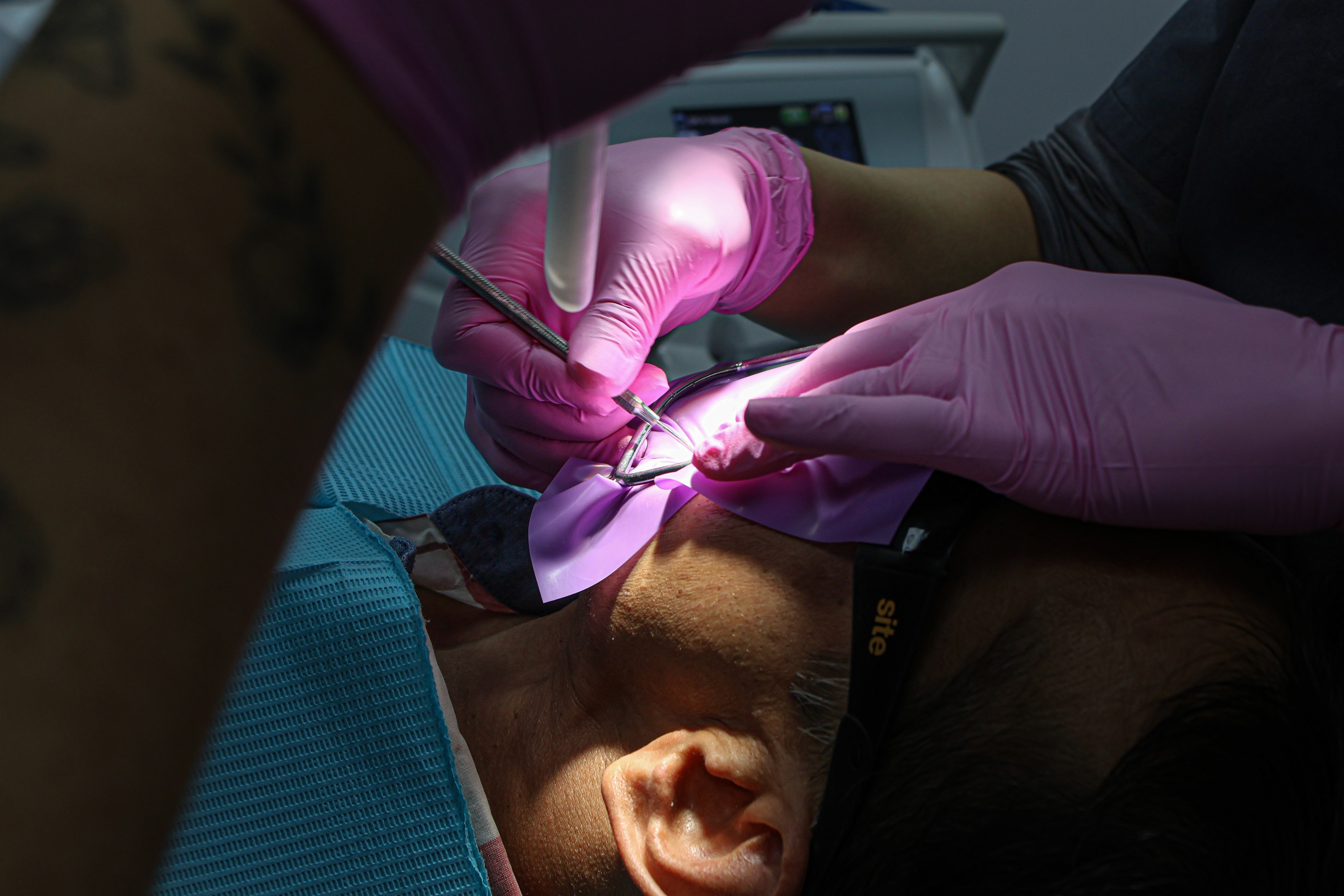
Local anaesthetic is used to numb the area. The dentist makes a small opening in the tooth, removes the infected tissue, and cleans and disinfects the canals. Once clear of infection, the canals are sealed with a rubber-like material to prevent re-infection. The tooth is then restored with a filling or a crown for long-term protection.
What is an Endodontist?
An endodontist is a specialist in root canal treatment. While general dentists can perform root canals, endodontists focus exclusively on this area, offering advanced expertise and technology for complex cases.
Benefits of Seeing an Endodontist:
Higher success rate
More accurate diagnosis
Advanced imaging and precision equipment
Clear explanation of the treatment process
Specialist confidence and experience
Conclusion
Root canal treatment removes infection from within the tooth, disinfects the canals, and seals the tooth to prevent future issues — preserving your natural tooth and avoiding extraction.
Q:Does a Root Canal Treatment Hurt?
No — the treatment is performed under local anaesthetic, ensuring you remain comfortable throughout. Despite its reputation, modern root canal therapy feels similar to having a standard filling.
Q:How Long Does Root Canal Treatment Take?
Most cases are completed within one or two visits, each lasting around 45–60 minutes, depending on complexity.
Q:Are There Any Risks?
Root canal treatment is a safe and common procedure. Your dentist will explain all potential risks and take every precaution to ensure successful results.
Q:How Long Does a Root Canal-Treated Tooth Last?
With proper oral hygiene and regular check-ups, a root-treated tooth can last a lifetime. A crown is often recommended to strengthen and protect the treated tooth.
Q: Can a Tooth Become Infected Again After a Root Canal?
Reinfection is rare but possible. It can occur if bacteria re-enter the tooth or if new decay develops. With regular check-ups and good home care, this risk is minimal.
Q: What is a root canal?
A root canal treatment in Southport removes infection from inside a tooth, relieving pain and saving the natural tooth.
Q: Is a root canal painful?
Not at all — modern techniques make it as comfortable as a filling.
Q: How long does it take?
Usually 1–2 visits, depending on the complexity.
Q: Will I need a crown afterward?
Most likely, especially for back teeth, to strengthen and protect the treated tooth.
Q: How long does a root canal last?
With proper care, a treated tooth can last a lifetime.
BACK TO SERVICE